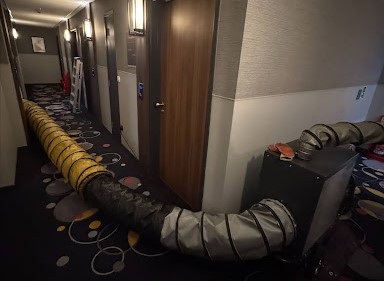
ThermoPest, a nationwide pest control organisation based in London, has reported a growing rise in bed bug-related remediation spending across UK accommodation sectors. Hotels, care environments, multi-tenancy housing and council-managed properties are experiencing increased financial and operational pressures as infestations become more frequent and complex.
Based on field data and case records, ThermoPest has identified increasing demand for whole-room heat treatments in place of repeated chemical-only visits. Multi-occupancy building operators are increasingly prioritising long-term eradication over short-term solutions due to the high cost of resident disruption, temporary closures and repeat call-outs.
“Hotels, care providers, councils and HMO landlords are facing pressures that go beyond routine maintenance,” said James Rhoades, founder of ThermoPest Pest Control. “For hotels, the economics are immediate — an out-of-service room can quickly impact revenue. For assisted living facilities and council-managed housing, safeguarding requirements mean infestations must be resolved thoroughly. In HMOs and student accommodation, interconnected layouts allow bed bugs to spread rapidly if treatments are inconsistent.”
The company reports that many of its commercial and institutional clients now request integrated treatment plans including aftercare inspections, communication templates and outcome documentation. This reflects an emerging expectation for professional-grade reporting and structured pest management governance.
Structural vulnerabilities, high occupancy turnover and shared infrastructure remain key contributors to rising remediation costs. To counter this, more accommodation operators are formalising preventative strategies, including monitoring devices, defined escalation pathways and early intervention measures.
“Bed bug control is becoming a risk-management priority for UK accommodation providers,” Rhoades added. “The organisations adopting consistent treatment standards and evidence-based approaches are seeing more predictable outcomes and lower long-term costs.”
ThermoPest expects demand from councils, commercial operators and large-scale housing providers to continue increasing into 2026 as travel levels rise and high-density living expands.